

At CampusKey, design doesn’t start with blueprints. It starts with listening.
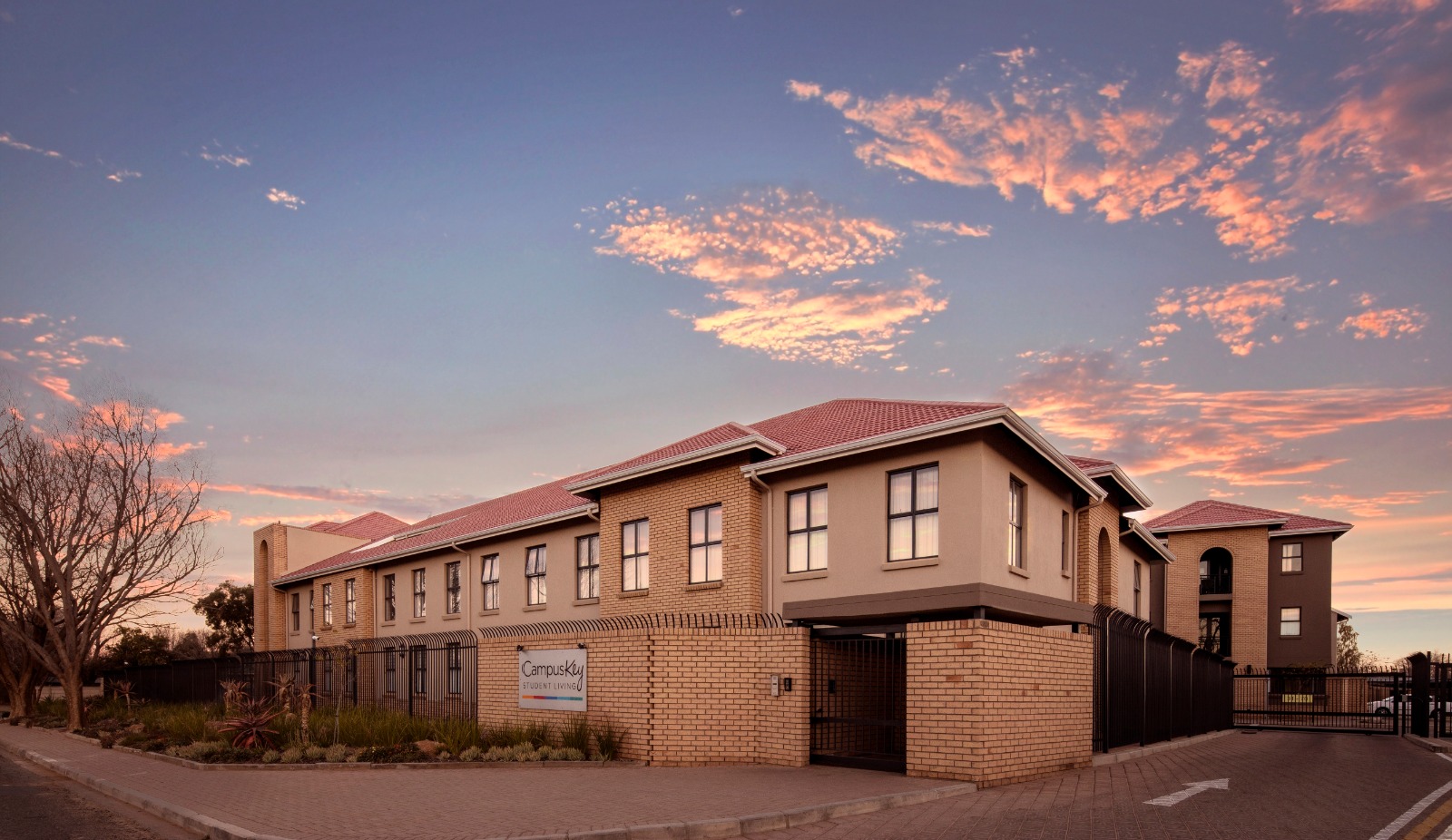
The upcoming expansion at CampusKey Bordeaux is a direct response to student feedback: we love being close to the team, but we need our space back. And instead of pushing harder into student territory, CampusKey chose a smarter route. The solution? Reimagining underused parking areas into a purpose-built central team hub that stays visually and culturally connected to student life , without competing for it.
This new Bordeaux space isn’t just an upgrade. It’s a statement about how modern student accommodation should evolve, human-first, intentional, and built for the way people actually live and work.
A new kind of space on the Bordeaux campus
Located inside the Bordeaux campus footprint, the 177 sqm expansion transforms overlooked parking into something far more valuable: a dedicated third space for the CampusKey central team. Not an office. Not a student area. A bridge between the two.
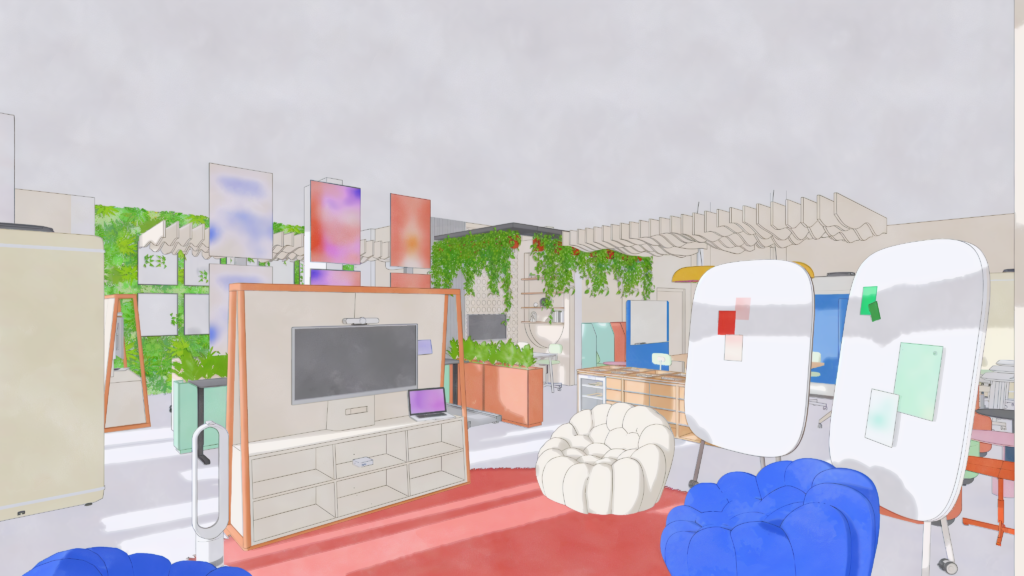
The layout is built around real working rhythms:
- Open zones for collaboration without chaos
- Quiet corners for focused thinking
- Space to move, pause, and reset
- Areas designed for both leadership decisions and creative problem-solving
The goal is simple: stay present and accessible to students while protecting the environments they need to study, socialise and recharge. It’s CampusKey design thinking in action, protecting student experience while strengthening the engine behind it.
Calm. Intentional. Alive.
The aesthetic direction is guided by three words: calm, intentional, alive.
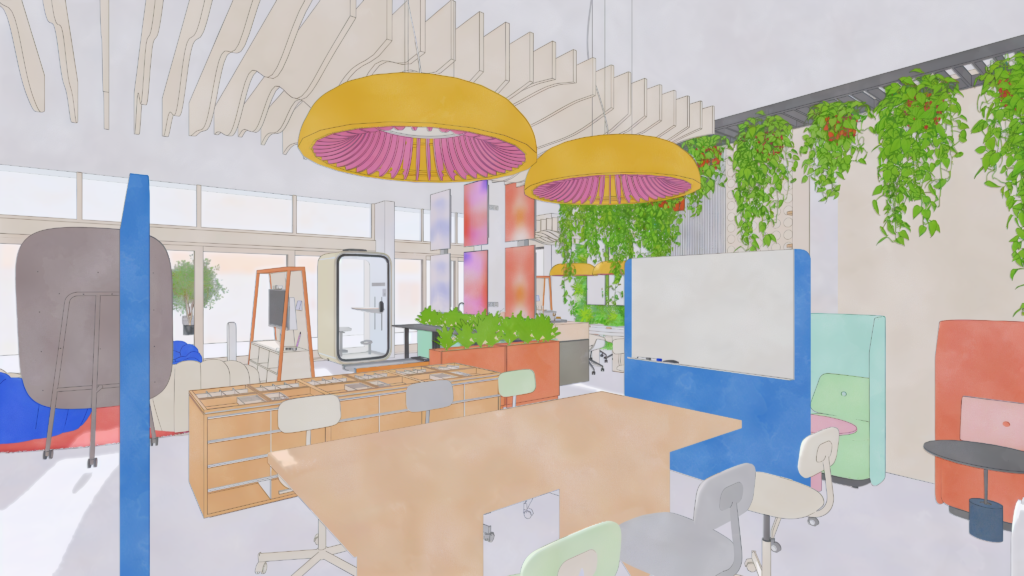
The finishes are muted by design. Natural light, greenery and the movement of the day become the real design features. The atmosphere shifts from morning clarity to afternoon warmth, softening edges and lowering stress without anyone noticing why.
Behind the calm exterior sits serious functionality:
- Standing desks and walking pads for movement
- Ergonomic seating and multi-screen workstations
- Proper meeting rooms for partners and investors
- A shower and private wellness amenities
- Thoughtful acoustics for focus
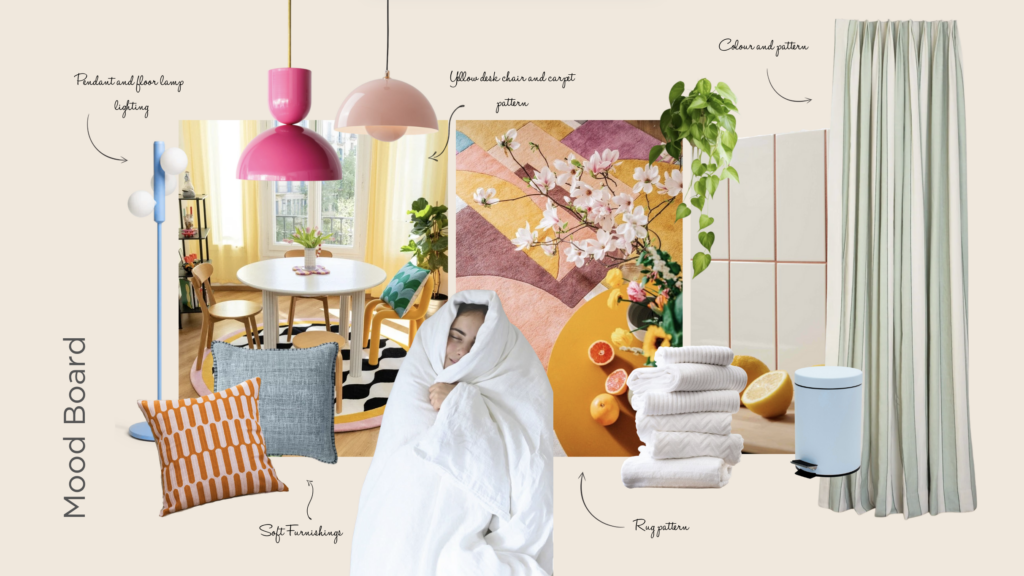
And layered into that calm backdrop? Personality. Quirky furnishings. Art. Team-driven details that make the space feel owned, lived-in, and unmistakably CK.
It’s aspirational, the kind of environment students walk past and think: “That’s where I want to work one day.”
Designed for energy, not burnout
The experience Celesté is designing for isn’t corporate polish. It’s relief.
The moment you walk in, the space is meant to feel like an exhale. A place where high-performance work and human energy can coexist. Where collaboration can be intense, but recovery is built into the architecture.
This matters because CampusKey doesn’t just house students, it supports the people building student communities every day. Sustainable performance requires sustainable spaces.
And that philosophy mirrors what today’s Gen Z and Gen Alpha students expect: environments that support wellbeing, creativity and long-term thinking.
Sustainability that’s built in, not added on
The Bordeaux expansion is a lesson in adaptive reuse.
By transforming existing parking infrastructure instead of expanding into new construction footprints, CampusKey reduces environmental pressure while extending the life of the building. Materials are selected for durability, not trends. Greenery is purposeful, not decorative.
It’s sustainability embedded at the structural level, the same values CampusKey encourages in its student communities.
Construction begins January 2026, with completion scheduled for May 2026, perfectly timed to support second-half planning and new project rollouts.
Why this matters for student accommodation
This project isn’t about creating more office space.
It’s about giving students back the environments they need to thrive, quieter study areas, better shared spaces, and a campus that prioritises their daily experience. At the same time, it strengthens the team behind CampusKey, ensuring they have the infrastructure to build better communities, faster.
It’s a reminder that great student accommodation isn’t just about rooms. It’s about ecosystems.
And when design listens, everybody wins.