
Apply Now

Private Student Accommodation in Rosebank and Observatory Cape Town: What to Know

Cape Town student life hits different , but finding the right place to live? That’s where things get real.

If you’re searching for private student accommodation Cape Town or student accommodation near UCT, chances are you’ve already come across Rosebank and Observatory. And for good reason, these two neighbourhoods are basically the student epicentre for anyone studying at University of Cape Town. But not all accommodation in these areas is created equal.

Why Rosebank and Observatory Are Student Favourites

When it comes to Rosebank student accommodation and observatory student accommodation, the appeal is simple: location meets lifestyle.

Rosebank is clean, calm, and just minutes from campus, perfect for students who want convenience without chaos. Observatory, on the other hand, brings a more social, creative energy. Think cafés, nightlife, and a constant buzz of student activity. Together, they give you options, whether you want quiet focus or full student-life immersion. And that’s why off campus accommodation UCT searches keep growing. Students want more control over how they live.

What Does “Private Student Accommodation” Actually Mean?

If you’ve been looking at UCT student accommodation, you’ve probably noticed the shift. Traditional res gives you structure. Private accommodation gives you choice. With private accommodation Cape Town, you’re stepping into a space designed around independence, your own routine, your own environment, your own experience.

It’s less about fitting into a system… and more about building your own.

Inside CampusKey Rosebank and Observatory

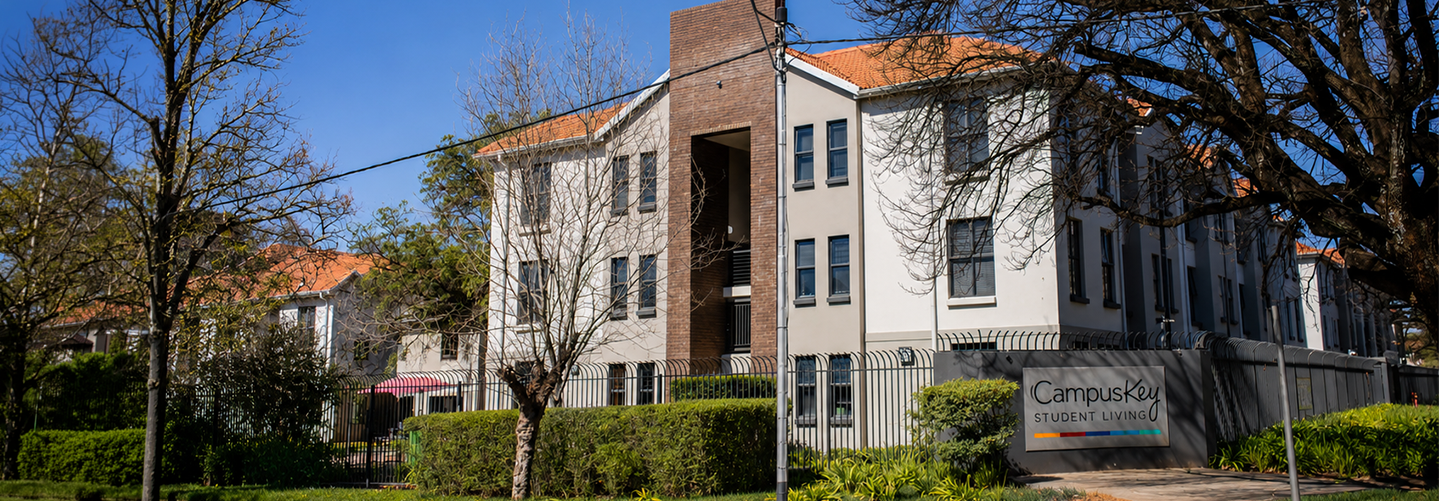
If you’ve searched CampusKey Rosebank or CampusKey Observatory, you’ll know these buildings are not your average student digs. At Rosebank, everything is built around proximity and ease. You’re close to campus, but still in a space that feels secure, modern, and intentionally designed for students.

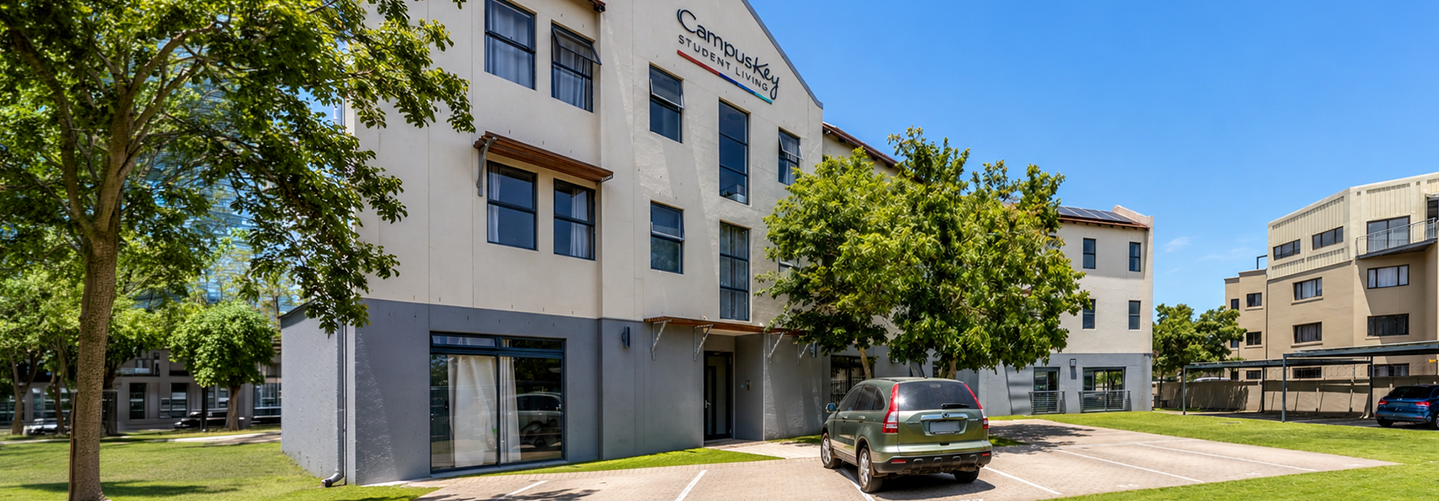
Observatory brings a slightly different energy, more social, more vibrant, but still grounded in the same all-inclusive experience.

Across both, you can expect:

  1. Fully furnished rooms
  2. Uncapped WiFi
  3. Utilities included
  4. Study and social spaces
  5. On-site team and security

But the real difference? The feeling. It’s that balance between independence and community that makes it work.

Private vs UCT Residence: What’s the Better Option?

This is the question most students ask, even if they don’t say it out loud.

UCT residence is often the starting point. It’s familiar, structured, and feels like the default. But private accommodation offers something different: flexibility, space, and a lifestyle that extends beyond campus rules.

What Does Student Accommodation in Cape Town Cost?

Cape Town isn’t the cheapest city and that’s something students quickly realise.

Searches for student accommodation Cape Town are high, but what you’ll notice is how much pricing varies depending on what’s included.

Lower-cost options often exclude essentials like WiFi, electricity, or security. Private, all-inclusive options bundle everything together making budgeting easier and more predictable. So it’s not just about cost, it’s about value.

How to Apply for Student Accommodation Near UCT

If you’re looking for student accommodation near UCT, timing matters.

The process is simple:

  1. Choose your building (Rosebank or Observatory)
  2. Select your room
  3. Upload your documents
  4. Secure your booking

But here’s the reality: the best spots don’t last. CampusKey applications open in September for the next year.

Cape Town offers one of the most exciting student experiences in South Africa but where you live will define how you experience it. If you want convenience, community, and a space that actually supports your lifestyle, CampusKey private accommodation is your way to go.


CampusKey Expands: Inside Transforming Short Stay in Cape Town

f you walk through CampusKey Rosebank today, you’ll feel it. A shift. A quiet, confident transformation, the kind that happens when a brand knows exactly where it’s going.

CampusKey’s Short Stay offering, already one of the most distinctive in Cape Town’s accommodation landscape, is entering its next chapter. It’s growing, evolving, and being meticulously redesigned into an experience that feels less like temporary lodging and more like a boutique retreat with a student-living soul. The expansion isn’t simply about adding more rooms. It’s about reimagining what Short Stay can be.

A Model That Outgrew Its Own Success

Short Stay has always held a unique place in the CampusKey ecosystem. It isn’t a traditional hotel and it isn’t conventional student accommodation, it occupies the middle ground with surprising ease. A hybrid model that can welcome visiting parents, professionals on assignment, tourists, postgrad researchers, and anyone needing a place that feels curated rather than generic.

It rapidly became clear that this model was doing more than working; it was outperforming. And in a city like Cape Town, where the demand for considered, high-quality short-term accommodation intensifies every season, success tends to multiply. The decision to expand wasn’t a business gamble. It was a natural progression.

This expansion involves the conversion of 57 rooms, with 22 already completed, 10 new rooms arriving mid-February, and the remaining 35 scheduled for completion by mid-2026. But the real story is not just about growth in quantity, it’s about growth in quality.

What Short Stay Really Is: A New Kind of Hospitality

Short Stay is, at its core, a CampusKey interpretation of the modern hotel. Thoughtful service meets intentional design; practicality meets personality. Guests get the comfort and polish of hotel living, beautifully made beds, stylish bathrooms, crisp finishes, wrapped in the warmth, vibrancy, and community-driven energy CampusKey is known for.

Rethinking the Guest Experience, One Detail at a Time

The architectural team’s approach is almost sensory. They don’t describe walls, they describe atmospheres. They talk about the way a hallway should sound, the way a room should welcome you after a long flight, the way a stay should settle into memory long after checkout.

This is not a superficial refresh. It is a full-scope reimagining.

The transformation includes:

  1. Quiet, purposeful acoustic treatments in the hallways to soften sound and create calm.
  2. A signature CampusKey scent that gives every arrival a sense of place.
  3. Mood lighting calibrated to shift a room from functional to atmospheric.
  4. Updated bespoke furniture created for comfort, longevity, and a heightened sense of finish.
  5. Completely redesigned bathrooms, inspired by modern boutique hotels and built to feel spacious, thoughtful, and indulgent.
  6. Improvements to wayfinding so that moving through the building feels instinctive, not instructional.

None of this is cosmetic. It’s experiential. It’s the kind of design thinking that doesn’t ask “How should this look?” but “How should someone feel here?”

Design That Belongs

The expansion also marks a deeper alignment with what CampusKey stands for. The goal isn’t merely to provide a place to sleep; it’s to craft a space that fits within the broader CK lifestyle. Familiar, warm, intentional, and unmistakably connected to the brand’s ethos.

It’s where hospitality meets personality, where guests experience the same sense of belonging CampusKey residents feel, even if they’re only staying for a weekend.

A Leaked Peek: Inside the Renders

The design work is still unfolding, but the mood board, which you’ll find further down in this article, offer an intriguing glimpse into what’s coming. Clean lines meet textured finishes. Bathrooms glow with soft light and thoughtful layouts. Hallways feel calmer, more refined. Rooms look curated rather than simply furnished.

The Word That Defines It All

When asked to distill the entire project into a single word, the architectural team didn’t hesitate: elevated.A fitting choice. Every corner of Short Stay is being lifted, softened, refined, and transformed into something with greater intention and a deeper sense of comfort. We can’t wait to host you.

Cape Town Living Cost: A Student’s Guide to Budgeting Smartly

So, you’re thinking about studying in Cape Town? Excellent choice. Mountains, beaches, vibey nightlife—what’s not to love? Oh yeah, the reality check: the cost of living. Before you go splurging your student loan on bottomless brunches and overpriced iced lattes, let’s break down what it actually costs to live in the Mother City as a student (and how to do it smartly).

The Cost of Living in Cape Town for Students

1. Rent – The Big One

Finding a place to live is priority number one, and in Cape Town, that can either mean scoring an affordable student digs or blowing your entire budget on a shoebox in the city centre. The average rent for a small apartment can range from R7,000 to R12,000 per month—and that’s without Wi-Fi, water, electricity, or any social perks.

Or you could skip the stress and stay at CampusKey. For one all-inclusive price, you get a fully furnished room, high-speed Wi-Fi, unlimited water and electricity, a gym, study areas, and a built-in student community. No surprise bills. No landlords ghosting your maintenance requests. Just premium student living. Check it out here.

2. Groceries – How Many Packets of 2-Minute Noodles?

Eating in Cape Town can be as cheap or as boujee as you make it. If you’re cooking at home, a reasonable grocery budget is around R2,000 – R3,500 per month. But let’s be real—when exams hit, Uber Eats takes over, and suddenly, your bank account looks like it needs CPR.

Pro tip: Hit up local markets like Oranjezicht Farmers Market for fresh (and cheaper) produce or stock up at Food Lover’s Market for bulk bargains. Also, CampusKey has fully equipped communal kitchens—so no excuses, get cooking!

3. Transport – Uber vs. MyCiti vs. Walking Everywhere

Unless you’ve got a car (and can afford the ridiculous petrol prices), you’ll need to rely on public transport. MyCiti buses are affordable and safe, with student passes costing around R600 per month. Ubers are convenient but can add up fast, and cycling is an option—if you don’t mind competing with Cape Town’s chaotic drivers.

Or, if you stay at CampusKey, you’re walking distance from UCT, Varsity College, and all the best coffee spots. No need for a car. No need for that overpriced Uber ride at 2 AM.

4. Coffee – Essential Student Fuel

Coffee is non-negotiable. At R30-R50 a cup, those daily cappuccinos add up quicker than your assignment deadlines. If you’re staying at CampusKey, you’ve got CK Mini Café right there, so at least you don’t have to trek across town to get your caffeine fix.

5. Entertainment & Going Out – Because Balance Is Key

Cape Town is packed with free and cheap things to do—from hiking Lion’s Head (free!) to beach days at Clifton (also free, unless you splurge on ice cream). But if you’re hitting the nightlife scene, drinks, club entry, and Ubers back home can easily cost R500+ per night.

Pro tip: Keep an eye out for student nights, budget-friendly happy hours, and free events. Or, make friends at CampusKey and host legendary braais on the rooftop instead.

The Verdict: Can You Afford to Be a Student in Cape Town?

Yes—but only if you budget wisely. Cape Town’s living costs can be steep, but choosing the right accommodation (like CampusKey) can cut out a lot of extra expenses. When your rent already covers Wi-Fi, gym, electricity, water, and security, you have more cash to spend on experiences—not surprise bills.

Want to stress less about money and more about making memoriesCheck out CampusKey Cape Town and level up your student living game!

COMING SOON!

Join our 2026 VIP Waiting/Mailing List – Get VIP
access to 2026 applications and receive any
CampusKey Information & Updates

PLEASE INSERT 2026 VIP PASSWORD

rebook for 2026

Still loving life at CampusKey?
Log in to your CK portal & hit rebook to secure your spot for another year!

New Student?

Ready to experience student living, the CampusKey way?
Join our 2026 VIP list to get early access to applications, updates, and everything you need to know before applications opens.


Applications officially open on 4 September 2025!

apply Now

Are you an existing student or a new student?
Make your selection below and click NEXT.

I’m an Existing Student
(Rebook for 2026)

I’m a New Student

Community Guidelines

The CK Club Community Guidelines are designed to create a harmonious, collaborative and vibrant student community so that every student can graduate, and have fun doing it, and so become the best version of themselves. It’s our mission to ensure that there is harmony and that everyone works together.

Values

Inspired:

We strive to be awesome, not average.

Genuine:

Honesty and transparency are our hallmarks.

Together

We support each other’s successes.

Innovative

We embrace failure as a step towards innovation.

Determined:

We’re relentless in pursuing our goals.

Grateful:

We appreciate our opportunities and achievements.

CK Club Rules

Respect and Safety

  • Zero tolerance for violence, vandalism, harassment, or theft.
  • Absolutely no illegal drugs or criminal activities.
  • Quiet hours are between 22:00 and 08:00, with flexibility during exams.

Facilities Usage

  • The gym is available 24/7 for CK Club members & CampusKey Students only.
  • Clubhouse, lounge, and kitchen areas are for the enjoyment of students, CK club members and their accompanied guests.
  • Laundry should be hung in designated areas only.

Security and Conduct

  • Always enhance the security of the premises and fellow residents/club members.
  • Emergency equipment is for emergencies only; misuse will incur penalties.
  • Maintain a respectful and inclusive environment free from discrimination.

Living Spaces

  • Smoking is prohibited in all communal areas and in compliance with national laws.
  • CK Club members are not permitted any visitors to the premises.

Personal Responsibility

  • Keep shared spaces clean and tidy.
  • Report any damages or maintenance issues promptly.
  • Respect the property and privacy of others.
  • Ensure all personal electrical items comply with safety standards.

PLEASE INSERT 2025 REBOOKER PASSWORD

Community Guidelines

The Student Community Guidelines are designed to create a harmonious, collaborative and vibrant student community so that every student can graduate, and have fun doing it, and so become the best version of themselves. It’s our mission to ensure that there is harmony and that everyone works together.

Values

Inspired:

We strive to be awesome, not average.

Genuine:

Honesty and transparency are our hallmarks.

Together

We support each other’s successes.

Innovative

We embrace failure as a step towards innovation.

Determined:

We’re relentless in pursuing our goals.

Grateful:

We appreciate our opportunities and achievements.

House Rules

Respect and Safety

  • Zero tolerance for violence, vandalism, harassment, or theft.
  • Absolutely no illegal drugs or criminal activities.
  • Quiet hours are between 22:00 and 08:00, with flexibility during exams.

Facilities Usage

  • The gym is available 24/7 for CampusKey students only.
  • Clubhouse, lounge, and kitchen areas are for the enjoyment of students and their accompanied guests.
  • Laundry should be hung in designated areas only, not visible from outside.

Security and Conduct

  • Always enhance the security of the premises and fellow residents.
  • Emergency equipment is for emergencies only; misuse will incur penalties.
  • Maintain a respectful and inclusive environment free from discrimination.

Living Spaces

  • Smoking is prohibited in all communal areas and in compliance with national laws.
  • Visitors must adhere to all community guidelines.
  • Refuse should be disposed of properly in designated bins.

Personal Responsibility

  • Keep personal and shared spaces clean and tidy.
  • Report any damages or maintenance issues promptly.
  • Respect the property and privacy of others.
  • Ensure all personal electrical items comply with safety standards.

Environmental Responsibility

  • Be mindful of electricity usage; high-consuming devices may incur fines.